

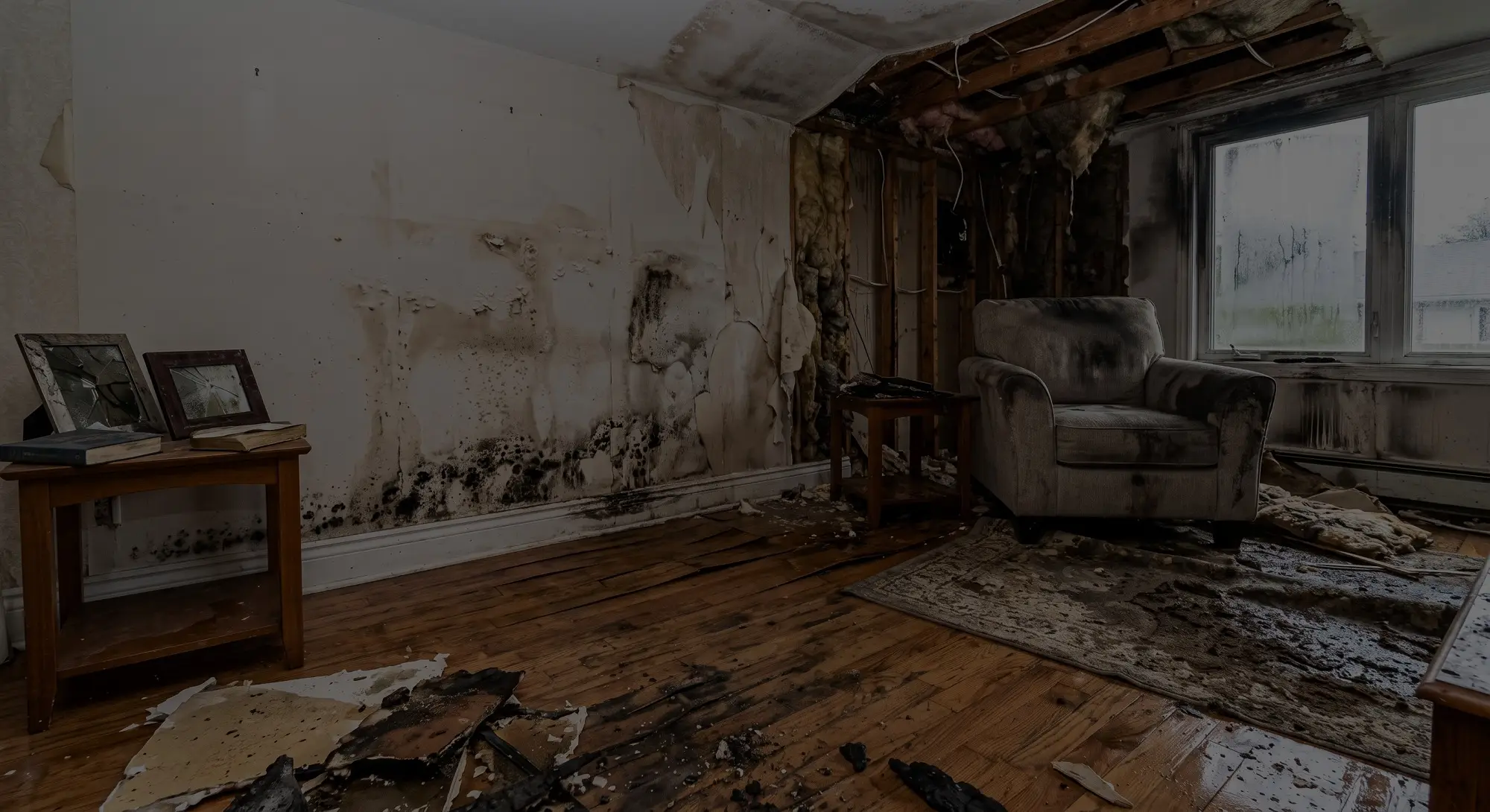
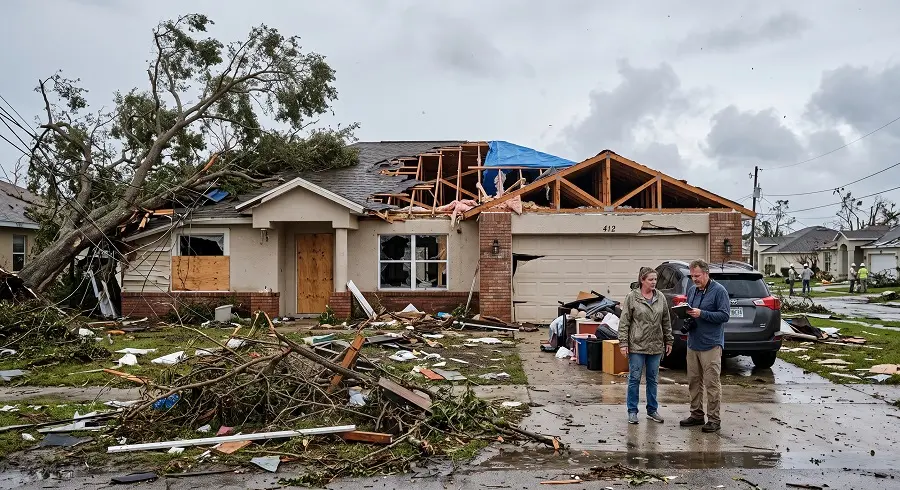
A tree crashes through your roof during a storm, or a burst pipe floods your kitchen, and within days you're on the phone with an adjuster who doesn't seem to be on your side. Many homeowners handle a property damage claim on their own and do fine. But denials, lowball offers, and stalling tactics send plenty of Texas policyholders looking for a property damage lawyer before the case ends and they realize they’ve been taken advantage of.
Knowing the moment to bring in a lawyer for a property damage claim against an insurance company, rather than waiting until the claim has already gone sideways, often decides whether you’re treated fairly and paid what you’re owed.
What Counts as a Property Damage Claim in Texas
Property damage claims cover a wide range of losses: storm and hail damage, fire, burst pipes, foundation cracks, vandalism, and damage caused by a third party's negligence. Some claims are first-party, filed against your own insurer under a homeowners, renters, or commercial policy. Others are third-party, filed against the person or business that caused the loss. A property damage lawyer can usually tell within a single conversation which type of claim applies and whether more than one path to recovery exists.
What Homeowners Insurance Covers and What It Doesn't
Most denials and underpayments trace back to a gap between what a homeowner assumes is covered and what the policy actually says. Knowing the difference before you file can help you spot a wrongful denial as soon as it lands.
What a Standard Policy Typically Covers
Standard Texas homeowners and commercial property policies generally cover:
- Fire and lightning, including smoke damage to the structure and contents;
- Wind and hail, covering roofs, siding, windows, and gutters;
- Water damage from an internal source, such as a burst pipe, water heater, or washing machine;
- Theft, vandalism, and burglary damage;
- Debris removal needed to restore the property after a covered loss;
- Additional living expenses if the home becomes temporarily unlivable.
What's Usually Excluded
Just as important is what a policy leaves out, often in the fine print:
- Flood damage from rising water, which requires a separate flood insurance policy;
- Gradual damage, such as long-term wear, rot, or corrosion rather than a sudden event;
- Pre-existing damage, which insurers frequently cite even when the current claim involves a new, covered event;
- Poor maintenance, which carriers use to argue the loss was preventable rather than accidental;
- Arson, which is excluded from both homeowners and commercial fire coverage;
- Earthquake damage, which typically requires its own endorsement.
An adjuster's decision to deny or undervalue a claim often rests on stretching one of these exclusions further than the policy language allows, which is where a homeowners insurance claim lawyer becomes useful.
Types of Property Damage That Often Require a Lawyer
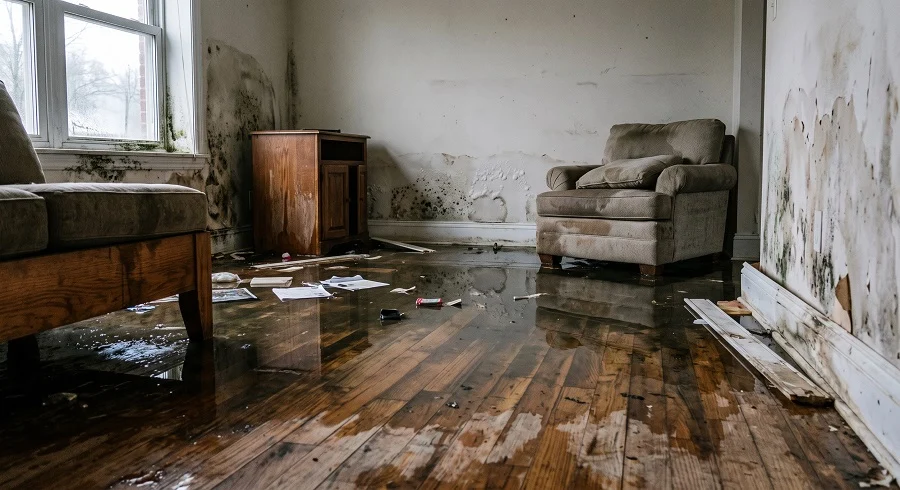
Not every type of damage leads to a dispute, but some categories consistently draw pushback from insurers because of their cost, complexity, or the room they leave for a carrier to argue over the cause.
- Storm, wind, and hail damage: Texas leads the country in hail losses, and insurers frequently argue that roof damage is old or wear-related rather than storm-caused.
- Fire damage: Carriers often dispute the cause of a fire or undervalue smoke and contents damage, especially in commercial losses involving business interruption.
- Water damage: Because flood and internal water damage are covered differently, insurers routinely try to recharacterize a covered pipe or appliance failure as excluded flooding.
- Foundation and structural damage: These claims involve engineering opinions on cause, making them some of the most heavily contested property damage cases.
- Mold damage: Coverage typically depends on proving the mold resulted from a covered peril, which insurers often dispute outright.
- Large commercial losses: Business interruption, inventory loss, and equipment damage claims involve enough money that insurers scrutinize them more closely than a typical homeowner claim.
- Total losses: When a structure is destroyed rather than merely damaged, the dispute usually shifts to valuation, coverage limits, and replacement cost versus actual cash value.
Signs You Need a Lawyer for a Property Damage Claim
Most homeowners don't call a lawyer the day damage occurs, and that's fine. The moment to call shifts once the insurance company's response starts working against you rather than for you.
Your Claim Was Denied
A denial letter is not the end of the process. Insurers often deny claims for invalid reasons that don't always hold up in court, including disputed causation, alleged pre-existing damage, or a technicality in the policy language. A lawyer can review the denial against your actual policy and challenge it.
The Payout Doesn't Match the Damage
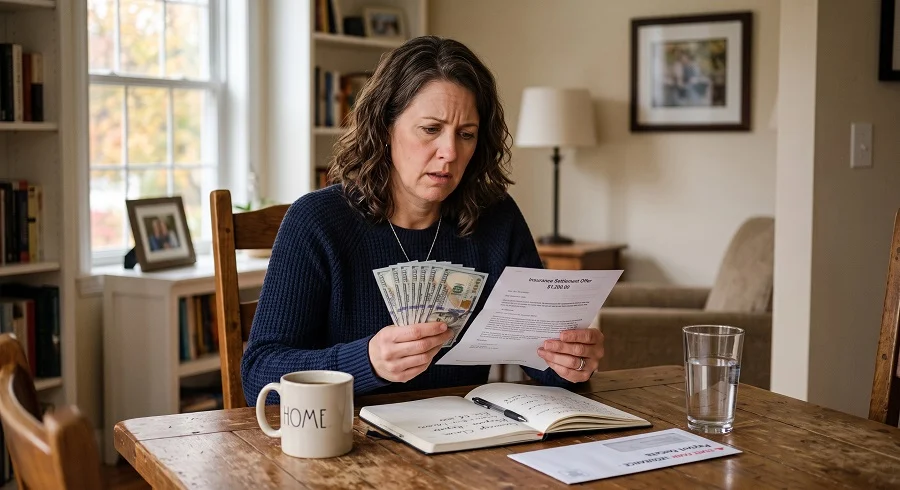
If a contractor's repair estimate is well above what the insurer offered, that gap is a signal, not a formality. Quite often, adjusters undervalue the true cost of labor, materials, or the full scope of hidden damage behind walls and under flooring.
The Insurer Is Delaying Without Explanation
Sometimes insurance adjusters delay claims because they are overworked and handling too many claims, especially after a significant weather event that caused widespread, regional damage. But that’s not YOUR problem. Because Texas law sets firm deadlines for insurers, and a claim that drags on for months with no clear answer may already violate those deadlines. Unexplained delay tactics are one of the clearest signs that a claim needs legal pressure, not another follow-up call.
You Suspect Bad Faith
Repeated requests for the same documents, vague reasons for delay, or pressure to accept a quick, low settlement can point to unfair claim handling under Texas law, not just a slow adjuster. A lawyer can identify bad faith conduct and pursue the additional damages Texas law allows when an insurer crosses that line.
The Loss Is Large, or the Cause Is Disputed
Total losses, commercial property damage, and claims where the insurer disputes what actually caused the damage usually involve engineers, appraisers, or other experts. Our experienced Texas property damage lawyers will collect and secure relevant evidence and help coordinate expert reports so it holds up in negotiation or, if necessary, in court.
What a Property Damage Lawyer Does That a Public Adjuster Doesn't
A public adjuster is an independent, state-licensed insurance professional who is hired exclusively by a policyholder (homeowner or business) to evaluate, prepare, document, and negotiate a property damage claim with a property insurance company. But that role stops at the negotiating table.
Our experienced homeowners insurance claim lawyers go much further: interpreting policy language and exclusions, identifying bad-faith conduct, enforcing statutory deadlines, and filing a lawsuit if the insurer still won't pay a fair amount. A public adjuster cannot do that for you. When a claim is straightforward, a public adjuster may be enough. But when the insurer digs in or acts in bad faith, only an attorney can fight for your rights and take the dispute to court.
Texas Deadlines That Make Timing Matter
Waiting to call a lawyer for property damage can cost you rights you didn't know you had. Texas law builds several deadlines directly into the claims process.
- Under Texas Insurance Code § 542.055, the insurer must acknowledge your claim and request needed documentation within 15 days.
- Under § 542.056, the insurer generally must accept or reject the claim in writing within 15 business days of receiving everything it requested, and must pay an accepted claim within 5 business days.
- Missing these deadlines can expose the insurer to 18 percent annual penalty interest plus attorney's fees.
- Weather-related claims may trigger additional pre-suit notice requirements under Chapter 542A.
- Under Texas Civil Practice and Remedies Code § 16.003, most property damage lawsuits must be filed within two years of the date of loss.
An attorney who gets involved early can track these deadlines from day one, instead of trying to reconstruct a timeline months later.

How Much Does It Cost to Hire a Property Damage Lawyer in Texas
Cost is one of the biggest reasons homeowners hesitate to call. Most property damage lawyers, including Omar Ochoa Law Firm, work on a contingency basis, meaning there's no upfront fee and no bill unless the case results in you winning compensation. Consultations are typically free, so getting a professional opinion on a denial, a lowball offer, or a stalled claim costs nothing out of pocket. That structure removes the main barrier to calling early, when a lawyer can still make the biggest difference in the outcome.
How Omar Ochoa Law Firm Helps with Property Damage Claims
If your Texas property damage claim has been denied, underpaid, or delayed, Omar Ochoa Law Firm can review your policy, evaluate the insurer's handling of your claim, and pursue the bad-faith remedies Texas law allows when a carrier crosses the line. The firm represents homeowners and business owners across Texas on a contingency basis, with free case review available 24/7. Contact us today to find out where your claim stands.

Omar Ochoa has been nationally recognized as one of the best young trial lawyers in the country. He's represented clients in federal and state courts and arbitrations throughout the United States and internationally. He is highly experienced in a wide range of complex litigation and has handled a variety of cases. He has recovered hundreds of millions of dollars for clients of all types — from individuals to mid-sized business owners to multi-national companies.
Table of Contents
Wondering If It's Time to Call a Lawyer?
Omar Ochoa Law Firm uses its advanced knowledge and skills to review Texas property damage claims at no cost and no obligation. Free, confidential consultations available 24/7.
Contact UsThis is some text inside of a div block.
Contact UsNot Sure If Your Claim Needs a Lawyer?
A quick case review can tell you where you stand. Omar Ochoa Law Firm offers free, confidential consultations for Texas homeowners and business owners with property damage claims.