

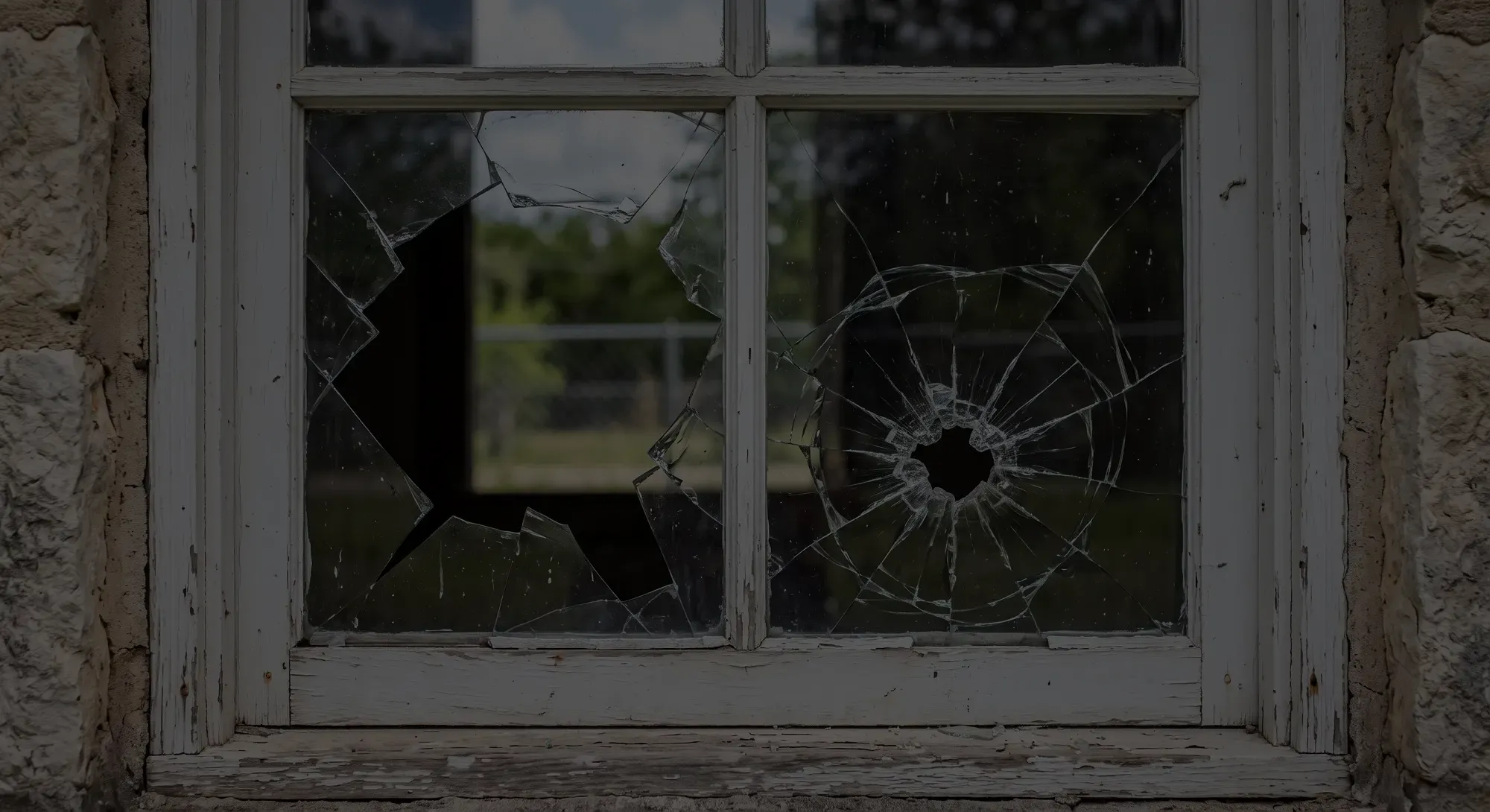
When someone damages your Texas property, whether through a car accident, vandalism, a negligent contractor, or a neighbor's carelessness, our experienced Texas property damage lawyers give you real tools to prove what happened and recover what was lost. This guide covers the evidence, deadlines, and lawsuit steps every Texas homeowner should know.
First-Party vs. Third-Party Property Damage Claims in Texas
Before choosing a course of action, it helps to know which type of claim actually applies to your situation. Most Texas property damage cases fall into one of two categories, and some involve both.
- A first-party claim is filed against your own insurance company under a policy you already pay for, such as a homeowners, renters, or auto policy. Your insurer investigates the damage and either pays the claim, undervalues it, delays it, or denies it. Disputes usually involve the amount of the loss or the scope of coverage. When a carrier crosses the line from tough negotiation into bad-faith tactics, additional Texas remedies may apply.
- A third-party claim is filed against the person, business, or entity that actually caused the damage. This is a tort claim, most often based on negligence or intentional wrongdoing. The at-fault party may pay out of pocket or through their own liability insurance carrier.
Some situations trigger both. A driver who runs into your fence can leave you with a first-party auto claim, a third-party liability claim against the driver, and a possible claim against the vehicle owner. Recognizing which claim path applies at the start protects your rights on all fronts.

What to Do After Your Property Is Damaged in Texas
The first hours and days after property damage are when evidence is freshest, and decisions carry the most weight. The steps below preserve your position on both the insurance and litigation fronts.
Assess the Full Scope of the Damage
Visible damage is often only part of what matters. Structural, mechanical, or hidden damage (water intrusion behind walls, electrical shorts, subfloor rot, cracked foundations) frequently costs more to repair than what shows on the surface. Do not assume the initial appearance reflects the total loss.
Document Everything Before Cleanup
Take clear photographs and videos from multiple angles. Include wide shots of the scene and close-ups of specific damage. Preserve physical evidence, including broken items, tools left behind, tire tracks, and water lines, until you have a written record.

Report the Incident
Depending on what happened, this may mean:
- Local law enforcement (for vandalism, criminal mischief, or hit-and-run);
- Your homeowners association (for common-property or neighbor-related issues);
- A city or county code enforcement agency (for building or contractor issues);
- Your insurance carrier (if you plan to file a first-party claim).
Prompt reporting produces official records that carry weight later. After weather-related damage, be cautious about door-to-door contractors offering quick repairs, since roofing storm chasers routinely target Texas neighborhoods after severe weather.
Notify Your Insurance Company Promptly and Talk to an Attorney Early
Most Texas homeowner and auto policies contain short notice requirements. Delayed notice can become the carrier's basis for a coverage dispute. Statutes of limitations begin running from the date of damage, and early legal review preserves the strongest possible position on both insurance and civil claims.
Types of Evidence That Prove Property Damage in Texas
The outcome of any property damage case depends on the quality of the evidence supporting it. Texas courts and insurance carriers give more weight to some categories than others.
Photographs and Videos
Visual documentation is the foundation of most property damage cases. Clear, comprehensive photos and videos of the damaged areas from multiple angles create a permanent record of the loss. Time-stamped images are particularly useful when the cause of damage is disputed.
Physical Evidence
Tangible objects tied to the incident often carry more weight than testimony alone. Broken items, debris, paint transfer, tire tracks, damaged fencing, or traces left by the responsible party can help identify who caused the damage and how it happened. Preserve physical evidence in its original condition until you have consulted with counsel.
Police and Incident Reports
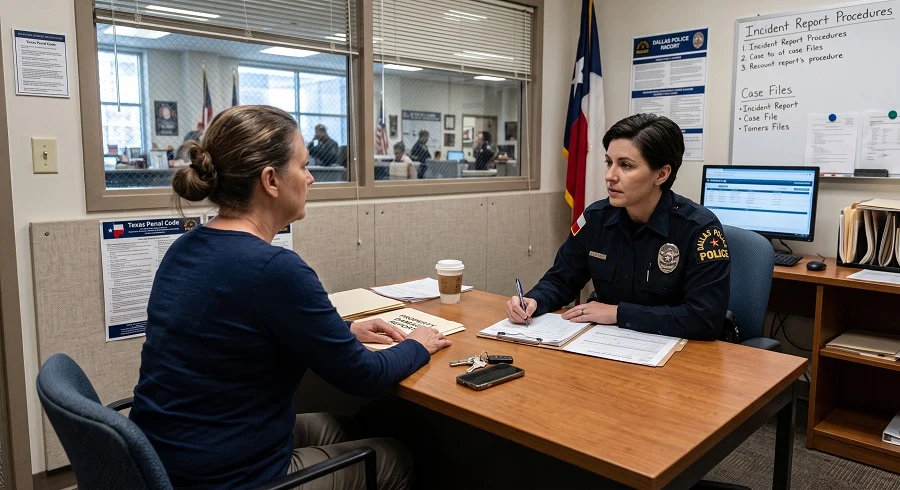
Official reports from Texas law enforcement or other agencies serve as primary documentation and are difficult for opposing parties to dispute. Reports may contain identifying information about the responsible party, statements from involved parties, and officer observations that support your claim.
Maintenance and Inspection Records
Records of past inspections, maintenance, and repair history establish the condition of the property before the damage occurred. This matters especially when the opposing party argues the damage was pre-existing or the result of ordinary wear rather than a specific incident.
Witness Statements
Eyewitness accounts corroborate what happened. Contact information for anyone who saw the incident, along with a written or recorded statement while their memory is fresh, can prove decisive if the case reaches court.
Qualified Professional Testimony
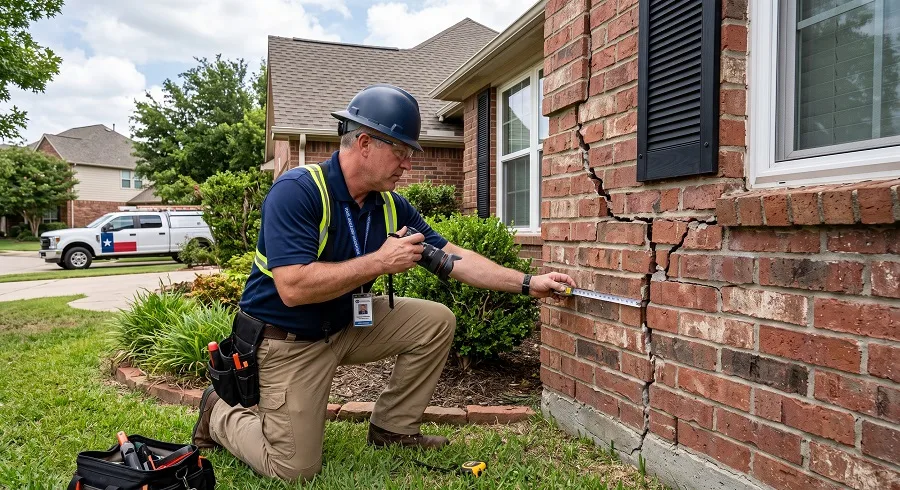
Engineers, appraisers, contractors, and other qualified professionals can provide opinions on the cause and extent of damage that a jury or adjuster is not otherwise equipped to evaluate. Their input is often decisive in complex cases involving structural damage, hidden defects, or specialized loss valuations.
Texas Deadlines for Property Damage Claims
Property damage cases in Texas run on tight legal time frames, and missing a deadline can permanently close the door on recovery.
Under Texas Civil Practice and Remedies Code § 16.003, most property damage lawsuits must be filed within two years of the date the damage occurred. This applies to civil claims against the party responsible for the damage.
A few important variations affect the timing:
- Insurance claims are governed by the notice requirements in your policy, which are often far shorter than two years, sometimes as brief as 30 days for reporting the claim under the terms written in the policy language.
- Government defendants carry their own notice deadlines under the Texas Tort Claims Act, sometimes as short as six months.
- Fraudulent concealment can pause the clock if the responsible party actively hid their role in causing the damage.
- Minors and incapacitated victims may benefit from tolling provisions that adjust the two-year window.
Talking to one of our dedicated attorneys within days of the damage, not months, preserves the widest range of legal options.
How to Sue Someone for Property Damage in Texas
When negotiation with the responsible party or their insurer fails, filing a lawsuit is often the next step. The Texas civil court process follows a defined sequence.
- Have an attorney evaluate your case. Before filing, counsel reviews the strength of the evidence, identifies the correct defendants, and confirms the case is viable under Texas law. An early evaluation prevents wasted time on unwinnable claims and identifies additional defendants you may not have considered.
- Determine the right court. Texas civil property damage cases can be filed in Justice Court, County Court at Law, or District Court. The right venue depends on the amount of damages sought and the type of relief requested. An attorney identifies the proper court based on the facts of your case.
- File a petition. The petition (equivalent to a complaint) outlines the incident, identifies the responsible party, and states the relief sought. Filing the petition officially opens the lawsuit.
- Serve the defendant. The defendant must receive a copy of the petition along with a citation notifying them of the lawsuit and the deadline to respond. Proper service is a jurisdictional requirement.
- Engage in discovery. Both sides exchange documents, respond to written questions, and take depositions. Discovery is often where property damage cases are won or lost, because the strength of the documentary and physical evidence becomes fully apparent here.
- Attempt negotiation or mediation. Most Texas civil cases settle before trial. Mediation is often required by the court and can produce faster, less costly resolutions than a full trial.
- Proceed to trial if necessary. If no settlement is reached, the case is presented to a judge or jury, which determines liability and damages.
- Enforce the judgment. A favorable judgment is not the same as a paid recovery. Collecting on a judgment against an uncooperative defendant may require garnishment, liens, or other enforcement tools.
How Texas Comparative Fault Affects Property Damage Recovery

Texas follows modified comparative fault under Texas Civil Practice and Remedies Code § 33.001. A property owner can recover damages as long as they were 50 percent or less responsible for the incident, but the recovery is reduced by their percentage of fault.
A few practical examples:
- A property owner found 0 percent at fault recovers 100 percent of damages;
- A property owner found 20 percent at fault recovers 80 percent of damages;
- A property owner found 51 percent at fault recovers nothing.
This rule shapes strategy in nearly every Texas property damage case. Defendants and their insurers routinely try to shift blame onto the property owner to reduce or eliminate recovery. Strong evidence and clear documentation are the strongest defense against inflated fault arguments.
How Omar Ochoa Law Firm Helps Texas Homeowners Prove Property Damage
If someone else's negligence, wrongful conduct, or bad-faith insurance handling has damaged your Texas property, the experienced attorneys at Omar Ochoa Law Firm can review your situation, help you gather the right evidence, and pursue compensation from every source available under Texas law. The firm represents Texas property owners in first-party insurance disputes, third-party civil claims, and complex property damage matters across the state. Contact us today for a free, confidential consultation with our Texas property damage attorneys.

Omar Ochoa has been nationally recognized as one of the best young trial lawyers in the country. He's represented clients in federal and state courts and arbitrations throughout the United States and internationally. He is highly experienced in a wide range of complex litigation and has handled a variety of cases. He has recovered hundreds of millions of dollars for clients of all types — from individuals to mid-sized business owners to multi-national companies.
Table of Contents
Ready to Build a Strong Property Damage Case?
Omar Ochoa Law Firm can guide you through every stage of the Texas property damage process. Free, confidential consultation available 24/7.
Contact UsThis is some text inside of a div block.
Contact UsFacing the Effects of Property Damage in Texas?
Omar Ochoa Law Firm can help you protect your rights, gather the right evidence, and pursue compensation from the responsible party or your insurance company. Contact us today for a free case review.