


When disaster strikes your business premises, the immediate concern is often the physical damage itself. However, the financial impact of being unable to operate can be far more devastating. Business interruption insurance provides a financial safety net when covered events force your business to temporarily shut down, ensuring you can maintain operations and eventually recover.
If your insurer delays, denies, or undervalues your claim, the skilled business interruption attorneys at Omar Ochoa Law Firm can take legal action to hold them accountable and ensure you receive the compensation you’re entitled to under Texas law.
What Is Business Interruption Insurance?
Business interruption insurance, also known as business income insurance or business income coverage, compensates businesses for lost income and covers operating expenses when they cannot operate due to a covered peril. Unlike a property insurance policy that pays to repair damaged property, interruption insurance addresses the financial losses that occur during the restoration period.
Many business owners mistakenly believe their commercial property insurance automatically includes business interruption coverage. However, business interruption insurance typically comes as an endorsement to a property insurance policy or as part of a Business Owner's Policy (BOP). Some insurance companies also offer it as a separate policy for businesses with specific needs.
How Business Interruption Coverage Works
When a covered event damages your business location and forces you to close, business interruption insurance policy benefits begin after a brief waiting period — usually 48 to 72 hours. The coverage continues through the business interruption period, which extends until your business returns to the same condition it existed before the loss. This restoration period can last several months or even a year, depending on the extent of damage.
Your insurance provider will typically base compensation on your business's financial records and projected earnings. To estimate future profits, insurers examine past revenue patterns and consider seasonal fluctuations that might affect income loss calculations.

What Does Business Interruption Insurance Cover?
Business interruption coverage provides financial protection across several categories of losses and expenses that continue during your forced closure.
Lost Income and Revenue
The primary purpose of business interruption coverage is to replace income you would have earned if the covered loss had not occurred. The insurance company calculates this lost income based on your historical earnings and financial projections.
Operating Expenses
Business interruption insurance covers operating expenses that continue even when your doors are closed. These fixed costs include rent and mortgage payments, loan payments, employee salaries, payroll to retain trained staff and avoid additional training costs, property taxes, insurance premiums, and utility payments.
Extra Expenses and Relocation
Extra expense coverage addresses additional costs incurred specifically to minimize the interruption or continue limited operations. These reasonable expenses might include rent for a new or temporary location, equipment rental, advertising to inform customers, express shipping, and professional fees. The coverage extends to all expenses incurred to make the temporary location functional for your business operations.
Training Costs
When equipment is damaged and must be replaced with different models, your employees may need training on the new systems. Business interruption insurance policies often cover the cost of training to get your team up to speed on replacement equipment.
Types of Business Interruption Coverage
Different coverage types address various scenarios that can disrupt your business operations beyond direct damage to your own property.
Standard Business Income Coverage
This basic form covers lost income and operating expenses when direct physical loss to your property forces closure. The covered event must be one listed in your property insurance policy, such as fire, windstorm, or vandalism.
Contingent Business Interruption Coverage
Contingent business interruption coverage protects your business when suppliers or customers experience a covered loss that impacts your operations. For example, if your primary supplier's facility burns down and you cannot obtain necessary materials, this coverage compensates for the resulting income loss.
Civil Authority Coverage
Civil authority coverage applies when government authorities restrict access to your business due to damage at a nearby location. Common scenarios include street closures due to natural disasters affecting neighboring properties, government-mandated closures because of damage in your building or area, or evacuation orders following a covered event near your location. This coverage can be particularly relevant in Texas, where hurricanes and severe weather events sometimes require authorities to close entire districts.
Extended Period of Indemnity
Even after your business premises are physically repaired, returning to normal revenue levels takes time. An extended period provision continues coverage for a specified duration after repairs are complete, acknowledging that business income requires time to fully recover.

Common Covered Events in Texas
Texas businesses face various perils that can trigger business interruption coverage when they cause sufficient damage to force temporary closure.
- Fire damage is one of the most common causes of business interruption claims. Damage from flames, smoke, and water used to extinguish fires can render premises unusable for weeks or months.
- Natural disasters regularly disrupt Texas businesses, particularly hurricanes along the coast, tornadoes throughout the state, hailstorms causing roof damage and broken windows, severe windstorms, and winter storms.
- Vandalism and theft, including deliberate damage such as broken windows, graffiti, or stolen essential equipment, may force temporary closure.
- Water damage from burst pipes, roof leaks, or sprinkler malfunctions can trigger coverage if it forces business closure.
- Equipment breakdown, when critical equipment fails and prevents normal operations; some policies cover the resulting interruption through an endorsement.
What Business Interruption Insurance Does NOT Cover
Understanding policy exclusions helps you avoid surprises when filing a business interruption claim and allows you to seek additional coverage where needed.
Pandemics and Communicable Diseases
Most business interruption insurance policies explicitly exclude coverage for pandemics, epidemics, and communicable diseases. The COVID-19 pandemic highlighted this exclusion, as many businesses discovered their policies would not cover government-mandated shutdowns related to public health emergencies.
Utility Service Interruptions
Power outages or utility service interruptions not caused by direct physical damage to your property usually fall outside coverage. However, if a fire damages your electrical system and causes power loss, coverage may apply.
Flood, Earthquake, and Terrorism
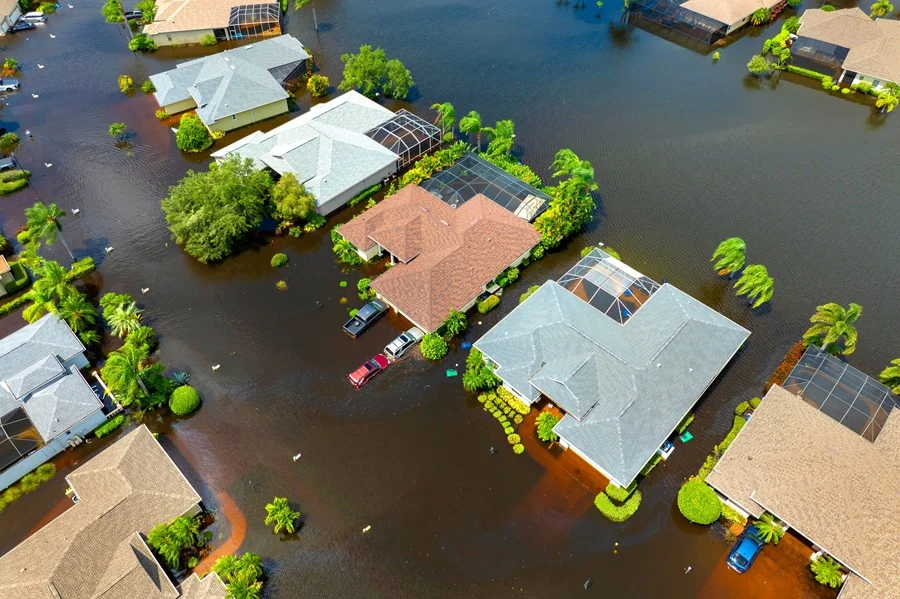
Standard business interruption coverage excludes floods and earthquakes. These perils require separate policies. Unless specifically added through an endorsement, most policies exclude losses from terrorism.
Other Exclusions
Undocumented income that cannot be proven through financial records, normal business fluctuations like seasonal downturns or market changes, and damage that existed before the covered event do not qualify for benefits.
Determining How Much Coverage You Need
Selecting the right coverage amount requires careful analysis of your business finances and operations to ensure adequate protection.
- Calculate monthly operating expenses: List all fixed costs that continue regardless of whether you're open, including rent, loan payments, employee salaries, insurance premiums, and property taxes.
- Estimate future profits: Review financial statements to understand typical monthly revenue and account for seasonal variations. Historical data combined with growth projections provides the foundation for calculating appropriate coverage limits.
- Consider recovery time: How long would it take to rebuild or relocate after a major loss? Statistics indicate that 25% of businesses won't open again after a disaster, underscoring the importance of adequate coverage.
- Evaluate your risk level: Industry type, location, building age, specialized equipment, and safety systems like fire alarms all affect your coverage needs and costs.
How to File a Business Interruption Claim
When disaster strikes, taking proper steps ensures your claim proceeds smoothly and you receive appropriate compensation.
- Immediate actions: Ensure safety first, document all damage with photos and video, notify your insurance company immediately, prevent further damage, and keep detailed records of all expenses incurred.
- Required documentation: Your insurance company will need proof of the covered peril, financial records showing typical business income and expenses, records of all expenses incurred during the business interruption period, documentation of efforts to minimize losses, receipts for repairs or relocation, and payroll information.
The insurance company will assign an adjuster to evaluate your business interruption claim. Common disputes include coverage interpretation, income calculations, restoration period length, and questions about whether damage existed before the covered event. When disputes arise, having detailed records and clear policy language becomes essential.

Legal Protections for Texas Business Owners
Understanding the legal framework surrounding business interruption insurance helps you protect your rights when filing claims.
The Texas Prompt Payment of Claims Act
Texas Insurance Code Chapter 542, commonly called the Prompt Payment of Claims Act, requires insurance companies to:
- Acknowledge claims within 15 days
- Begin investigating within 15 days
- Notify you of acceptance or rejection within 15 business days after receiving all required documentation
- Pay accepted claims within 5 business days
Bad Faith Insurance Practices
If an insurance company unreasonably denies or delays a valid business interruption claim, Texas law provides remedies. Bad faith practices might include failing to properly investigate a claim, denying coverage without a reasonable basis, misrepresenting policy provisions, or delaying payment without justification.
Preparing Your Business for Potential Interruption
Smart preparation makes recovery easier if disaster strikes your business premises. Here’s what we recommend at Omar Ochoa Law Firm:
- Maintain accurate financial records of monthly revenue, operating expenses, employee payroll, inventory values, and equipment lists.
- Create a business continuity plan addressing emergency contacts, alternative suppliers, potential temporary locations, and data backup procedures.
- Review coverage annually to ensure limits remain adequate as your business grows.
- Document your property with current photos and videos.
- Implement risk management by installing fire alarms and sprinklers, conducting safety inspections, and training employees on emergency procedures.
Ensure Your Financial Stability with Omar Ochoa Law Firm
Business interruption insurance provides essential protection for Texas businesses facing temporary closure due to covered events. Small businesses particularly benefit from this protection, as they typically lack financial reserves to weather extended closures. If your business has experienced a covered loss and your insurance company has denied your claim or offered an insufficient settlement, contact us for a consultation about your insurance coverage rights.

Omar Ochoa has been nationally recognized as one of the best young trial lawyers in the country. He's represented clients in federal and state courts and arbitrations throughout the United States and internationally. He is highly experienced in a wide range of complex litigation and has handled a variety of cases. He has recovered hundreds of millions of dollars for clients of all types — from individuals to mid-sized business owners to multi-national companies.
Table of Contents
Your Claim Was Rejected. Now What?
Omar Ochoa Law Firm provides aggressive legal representation for Texas businesses whose legitimate business interruption claims have been improperly denied or undervalued.
Contact UsThis is some text inside of a div block.
Contact UsDon’t Accept an Unfair Settlement
If your insurance company has denied or underpaid your business interruption claim, contact Omar Ochoa Law Firm to review your policy and explore your legal options.