


No Win, No Fee. Guaranteed.
Struck by a vehicle in Dallas? Your recovery deserves decisive legal action. A Dallas pedestrian accident lawyer at Omar Ochoa Law Firm moves quickly to secure evidence, establish liability, and pursue full financial compensation.
Free Consultation
Available 24/7
No Fee Until We Win

Pedestrian crashes remain a persistent safety issue in Texas metropolitan areas. According to the Texas Department of Transportation (TxDOT), thousands of pedestrian crashes occur statewide each year, with hundreds of fatalities. Dallas County consistently ranks among the highest in total traffic collisions involving pedestrians.
Our firm represents injured pedestrians across Dallas and throughout the state. Pedestrian accident litigation is part of our broader personal injury practice strategy, and we approach each case with structured preparation from the outset.
Call (956) 253-3121 today for a free consultation. You focus on your physical and mental recovery and let us handle the legal and financial pressure points.
Request a Free Case Review
We are available to assist you 24 hours a day!
Need help right away? Call us!
(956) 253-3121


Pedestrian accidents often happen because drivers fail to pay attention, misjudge who has the right of way, or move too fast to react safely. Below are some of the most common causes we see in pedestrian accident claims in Dallas.
One of the most common causes of pedestrian accidents is a driver’s failure to yield at a crosswalk or intersection. Even when a pedestrian is lawfully crossing, drivers may rush through turns, ignore traffic signals, or focus only on other vehicles instead of the people in front of them.
Drivers who are texting, using navigation, adjusting controls, or otherwise distracted can miss a pedestrian until it is too late to stop. These crashes are especially common in busy areas where drivers need to react quickly to changing traffic and foot traffic conditions.
Speed reduces the amount of time a driver has to see a pedestrian, react, and brake safely. When a vehicle is moving too fast, the impact is also more likely to cause catastrophic injuries, even in areas where drivers should expect people to be walking nearby.
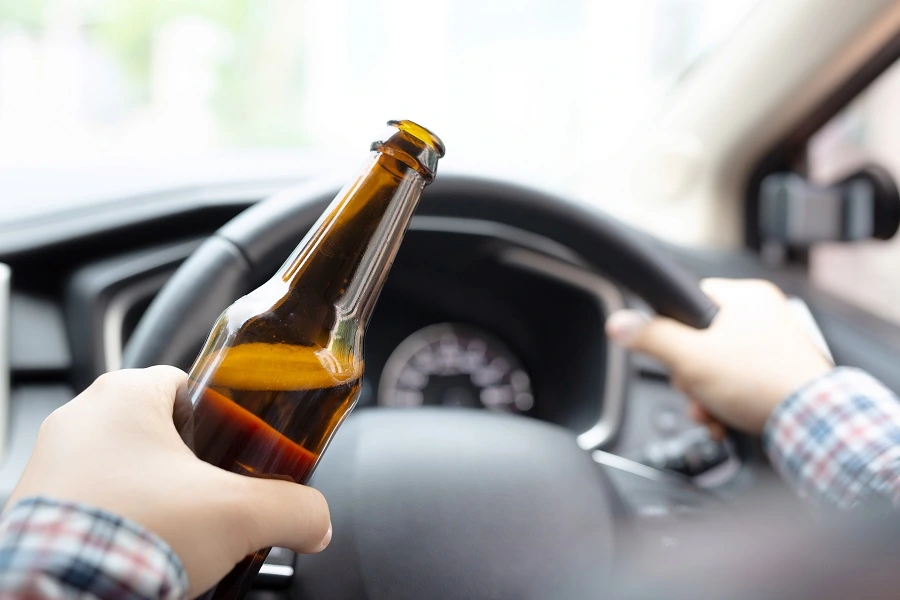
Alcohol and drugs can affect judgment, coordination, depth perception, and reaction time. Impaired drivers are more likely to miss crosswalks, ignore traffic controls, and make dangerous decisions that put pedestrians at serious risk.
Many pedestrian accidents occur when a driver turns at an intersection without properly checking for pedestrians crossing the street. In these situations, the driver may be watching oncoming traffic or trying to beat a light while failing to notice a pedestrian in the crosswalk.
Pedestrians are also injured when drivers reverse without carefully checking mirrors, blind spots, or backup cameras. These accidents often happen in parking lots, apartment complexes, and residential driveways where drivers may not expect someone to be walking behind the vehicle.
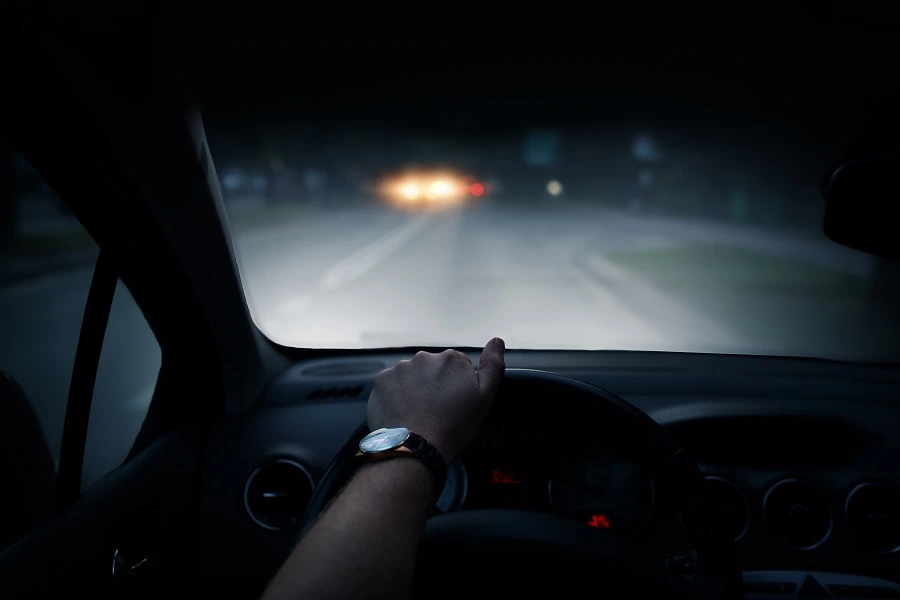
Poor lighting, bad weather, and reduced visibility can increase the likelihood of pedestrian accidents, especially when drivers do not adjust their speed to the conditions. A driver still has a duty to stay alert and operate the vehicle safely, even when visibility is less than ideal.
Some pedestrian accidents involve drivers who leave the scene before police arrive or before the injured person can get identifying information. These cases often require immediate investigation to locate witnesses, preserve nearby surveillance footage, and identify all possible sources of compensation.
Construction zones, blocked walkways, missing signs, and poorly maintained pedestrian areas can also contribute to serious accidents. In some cases, liability may extend beyond the driver and include a property owner, contractor, or another party responsible for creating or failing to fix a dangerous condition.
You may have one chance to recover full compensation after a pedestrian crash. Let us step in early, protect the evidence, and deal with the insurance company before they minimize your claim. Contact Omar Ochoa Law Firm today for a free consultation with a Dallas pedestrian accident lawyer!
Pedestrians have no structural protection during impact. Even collisions at moderate speeds can result in catastrophic harm.
We regularly represent clients suffering from:
From the beginning of the case, we work with treating physicians and specialists to document the full scope of injury. If long-term care is required, we consult life-care planners and medical experts to project future needs. This prevents undervaluation of the claim.
A Dallas pedestrian accident attorney calculates damages based on the complete medical picture, not just the first hospital bill.
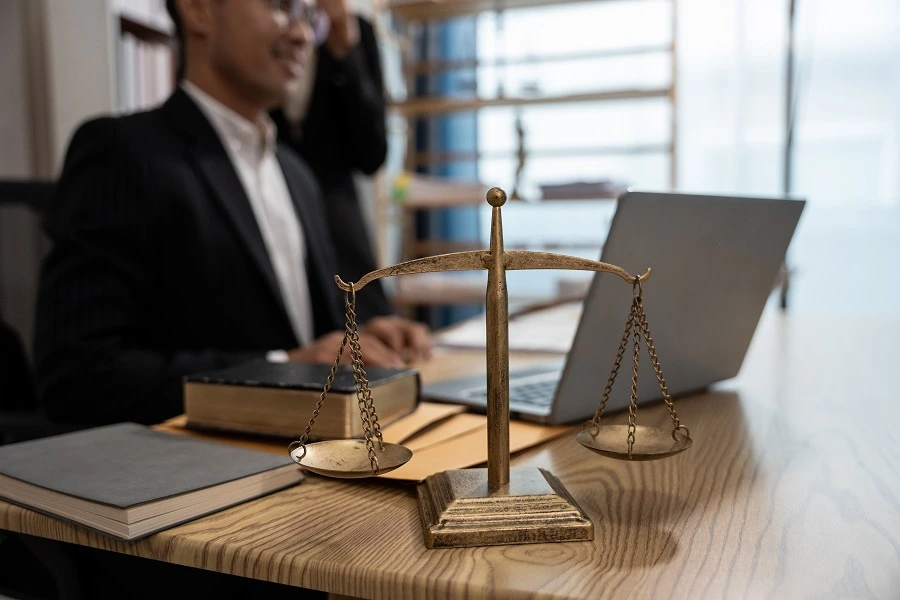
Many pedestrian crashes are caused by negligent drivers who would also be liable under standard car collision cases.
To recover compensation under Texas law, four elements must be proven:
We gather crash reports, obtain video evidence, consult reconstruction experts when necessary, and examine vehicle data to establish how the collision occurred. Insurance companies often attempt to argue partial pedestrian fault. Our role is to counter unsupported blame-shifting with documented evidence.
Under Texas Civil Practice & Remedies Code § 33.001, recovery is barred if the injured pedestrian is more than 50% responsible for the accident. If fault is 50% or less, compensation is reduced proportionally.
We analyze these factors carefully and address comparative fault arguments early to protect the claim’s value.
Insurance companies calculate risk. We calculate long-term impact. Speak with us, and we will prepare every case for maximum recovery.
Texas law allows injured pedestrians to seek compensation for both financial losses and the personal effects of a serious collision. Our Dallas pedestrian accident lawyer evaluates the full scope of your harm to build a clear, supported claim.
Economic damages reflect documented financial loss, including:
These losses are calculated using medical records, billing statements, and employment documentation.
Non-economic damages account for the human consequences of the injury, such as:
In cases involving extreme misconduct, such as intoxicated driving, reckless behavior, or intentional violations of safety laws, Texas courts may allow punitive (exemplary) damages. These damages are not intended to compensate for a specific loss but to penalize particularly egregious conduct and deter similar behavior in the future.
Don’t Let the Insurance Company Frame the Narrative
Before giving a recorded statement, speak with our Dallas pedestrian accident lawyer who protects your position from day one.
The choice of legal representation following a serious injury impacts both the financial outcome and the overall direction of the case. We are always the most prepared attorneys in the room, and this skill is a key determinant of success.

From the first consultation, we prepare as though the case may proceed to trial. This approach strengthens negotiations.

Some pedestrian crashes involve commercial vehicles, employer liability, or layered policies. We identify all potential coverage sources.

We work with medical and economic experts when injuries require long-term analysis.

Clients communicate directly with their legal team, not through call centers or third parties. Case progress remains transparent.

No upfront legal fees. We recover compensation first.
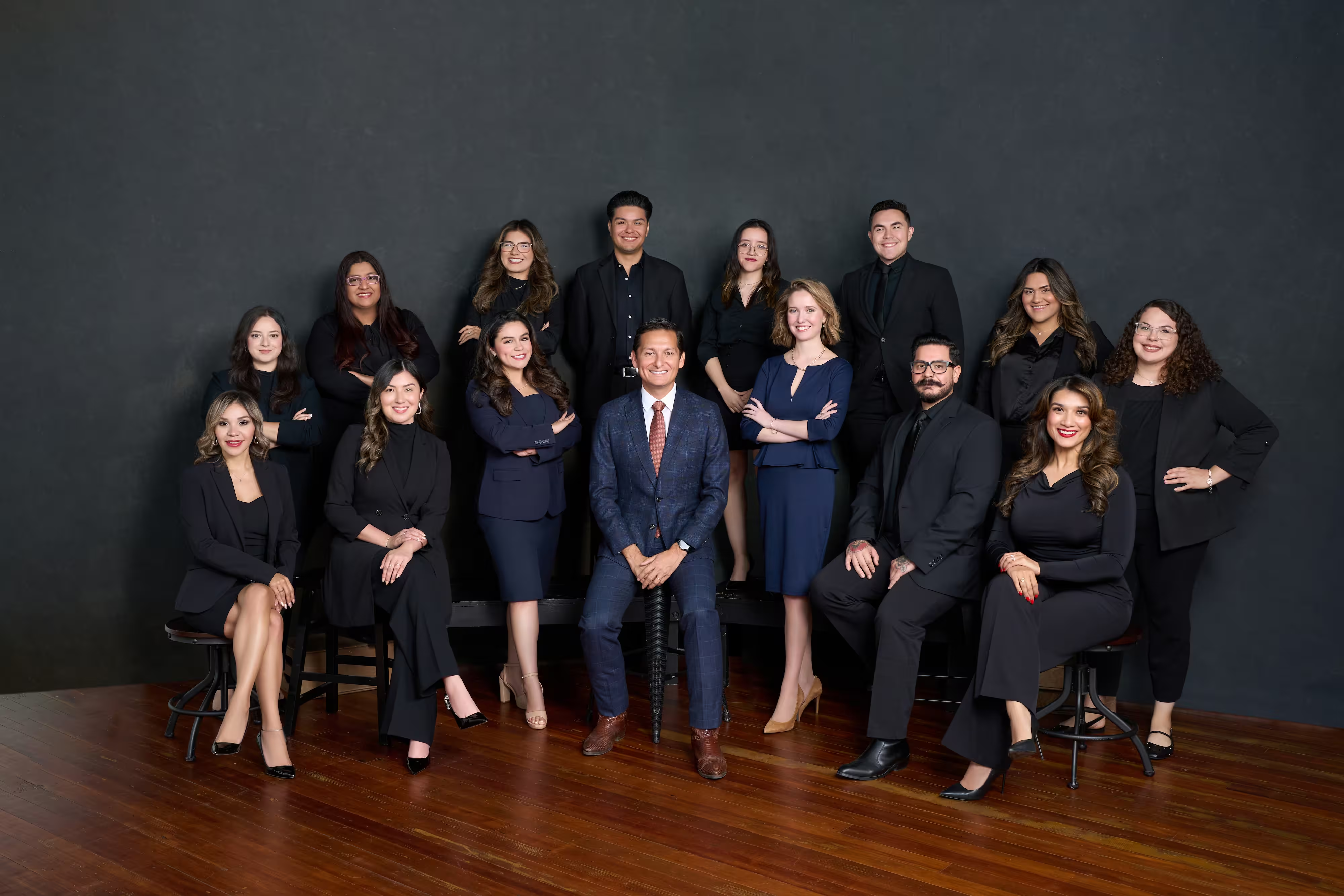
Want to hear more about how we help and what we do? Don’t just take our word for it. Read our real client reviews and testimonials - and see videos from our real former clients.
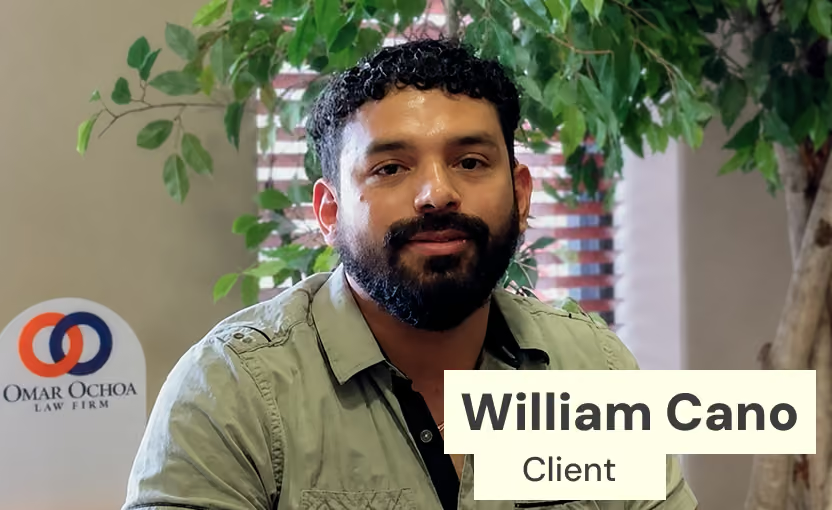


Omar Ochoa Law Firm represents injured individuals in Dallas and across Texas with disciplined advocacy and trial-ready strategy.
Legal action cannot undo what happened, but it can restore stability, clarity, and financial
protection for the road ahead.
Contact us today to speak with a Dallas pedestrian accident lawyer. Our team is prepared to pursue the answers, accountability, and compensation your case demands.

Available 24/7
No fees unless we win
Se Habla Español
Texas generally imposes a two-year statute of limitations for personal injury claims under Texas Civil Practice & Remedies Code § 16.003. The deadline typically begins on the date of the accident. Missing this deadline may bar recovery entirely. Certain exceptions may apply in cases involving minors or government entities, which may have shorter notice requirements.
Claims involving city vehicles, public buses, or roadway defects may fall under the Texas Tort Claims Act. These cases often require formal notice to the governmental entity within months of the incident, sometimes as little as 6 months, depending on local rules. Early legal review is critical in these situations.
Yes, provided you are not more than 50% responsible under Texas comparative fault law. Your compensation would be reduced by your percentage of fault. Fault analysis often depends on signal timing, visibility, and driver conduct.
Case timelines vary based on injury severity, medical treatment duration, and insurance response. Some claims resolve within several months after medical stabilization. Complex or contested cases may extend beyond a year, particularly if litigation becomes necessary.
Insurance adjusters often request recorded statements early. Statements made without legal counsel may affect fault evaluation or damage calculations. Legal review before providing formal statements can reduce risk.
Personal Injury
Updated:
July 6, 2026
By
Omar Ochoa
Personal Injury
Updated:
July 6, 2026
By
Omar Ochoa


