

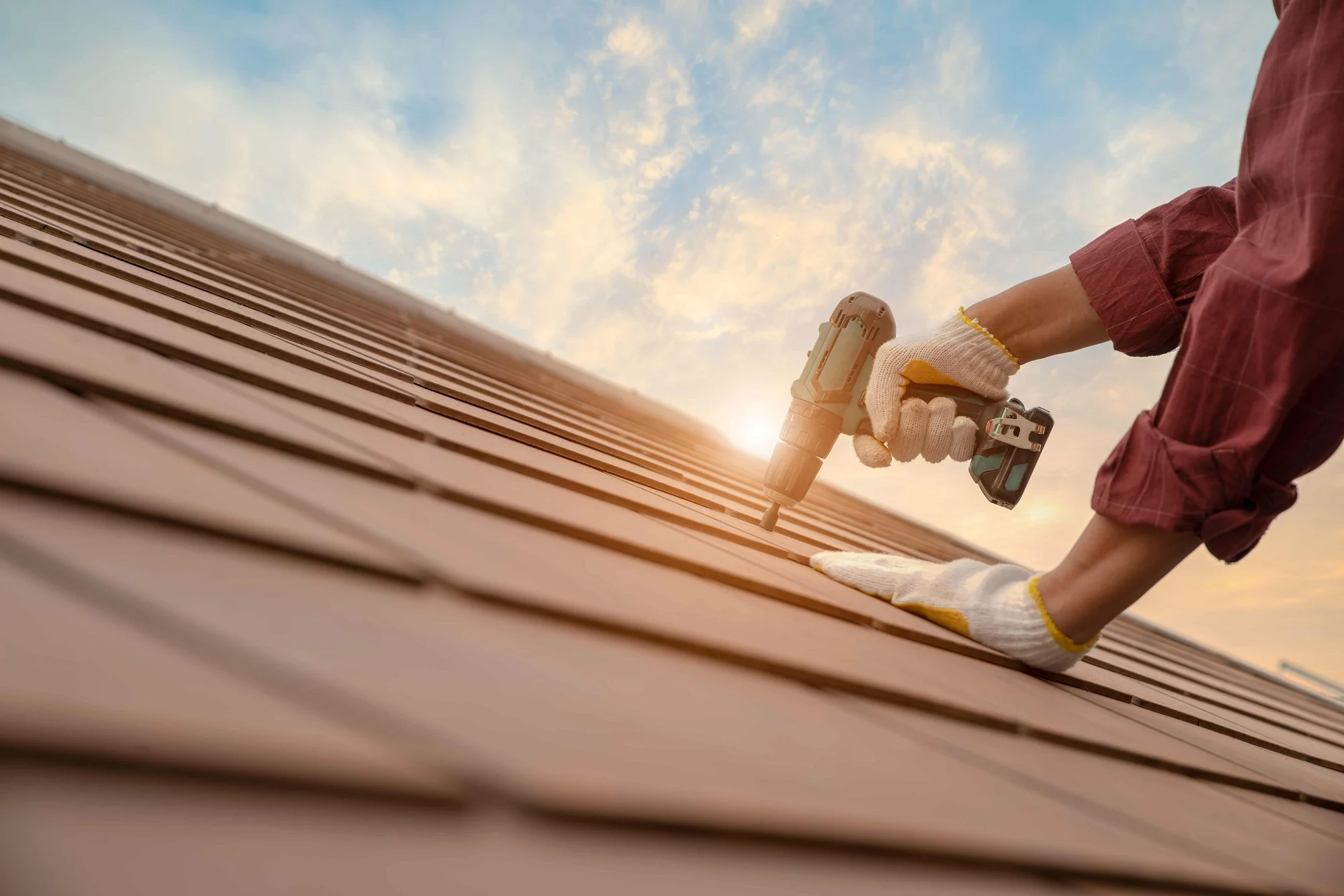
Storms move fast across Texas, and shady roofing storm chasers often follow close behind. After major weather events, out-of-state contractors go door-to-door promising quick repairs or "free roofs", but many vanish with your deposit or leave behind poor workmanship.
If you encounter high-pressure contractor tactics or face a wrongfully denied insurance claim after a disaster, consulting with Texas roof damage lawyers can help protect your home and your finances. This guide covers the warning signs of storm chasers and how to secure your recovery.
What Is a Roofing Storm Chaser
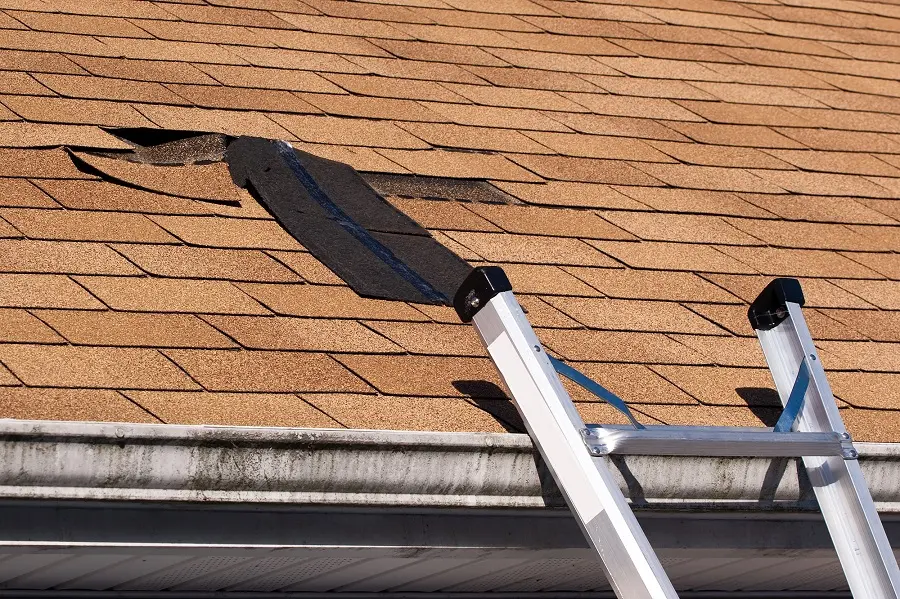
A roofing storm chaser is usually a contractor who travels to storm-damaged areas in search of quick, easy roofing jobs. These companies often appear within days of hailstorms or hurricanes and aggressively target homeowners before local roofing companies can respond.
Some storm-chasing contractors may complete the work properly, but many complaints involve:
- Poor-quality roof installations
- Missing permits
- Inflated insurance claims
- Large upfront payments
- Contractors disappearing after an initial payment
- Warranty issues with no local office to contact
In many cases, homeowners do not realize there is a problem until months later when leaks, mold, or structural damage begin to appear.
Common Roofing Storm Chaser Tactics
Storm-chasing roofers tend to use similar sales tactics across Texas. Knowing these warning signs can help you avoid becoming a victim.
Door-to-Door Sales Pressure
One of the most common red flags is unsolicited door knocking immediately after a storm. Contractors may claim they "noticed damage" while working nearby or say your neighbors already signed with them.
The Federal Trade Commission's Cooling-Off Rule gives homeowners three business days to cancel many door-to-door sales contracts.
"Free Inspection" Schemes
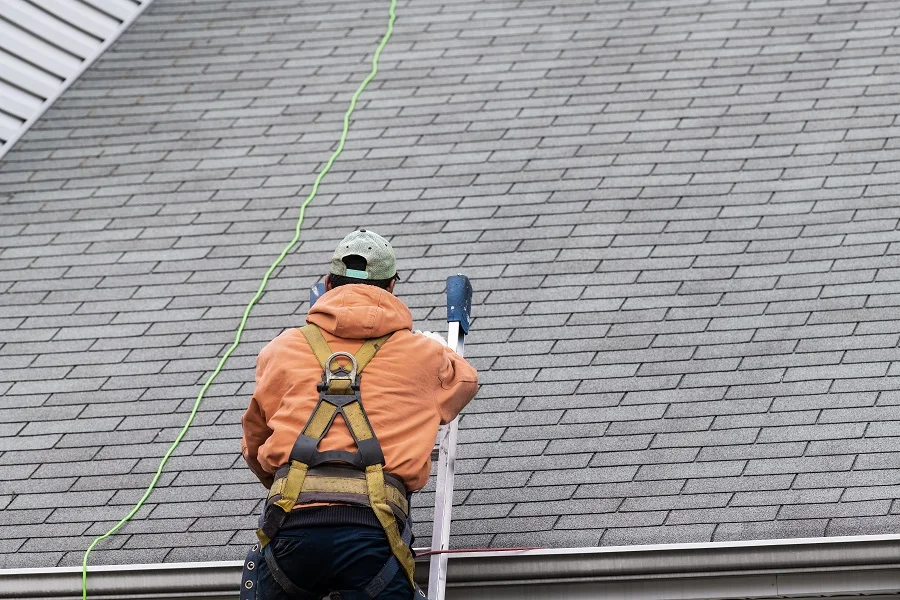
Storm chasers commonly offer "free roof inspections" and use them to fabricate or exaggerate damage. Some homeowners later discover that the contractor showed them photos of damaged roofs taken at entirely different properties, or that the inspector caused minor damage during the visit to justify a larger claim. Never allow a contractor you have not vetted to access your roof unsupervised.
Promises to "Cover" Your Deductible
In Texas, contractors cannot legally waive, absorb, or rebate your insurance deductible. Under Texas Insurance Code Section 707.002, it is a misdemeanor for a roofing contractor to pay, waive, or rebate all or part of a homeowner's property insurance deductible.
A roofer offering a "free roof" or saying they will handle your deductible may be encouraging insurance fraud. Homeowners who knowingly participate can face legal exposure of their own.
The deductible ban is just one of the roofing laws in Texas that decide how much of your claim you keep.
Large Upfront Deposits
Many fraudulent contractors demand large deposits before work begins. Some disappear after receiving payment, while others use low-quality materials or unfinished crews.
A trustworthy contractor usually uses staged payments tied to project milestones rather than asking for most of the money up front.
Out-of-State License Plates and No Local Office
Storm chasers often lack a permanent Texas office. They may use temporary addresses, hotel meeting rooms, or P.O. boxes instead of a verified business location. Many also drive vehicles with out-of-state license plates, which is one of the easiest red flags to spot before the contractor ever rings your doorbell.
This pattern leads to what the roofing industry calls a "ghost warranty". A homeowner receives a 10 or 20-year guarantee on paper, but the company has already left the state by the time a leak appears. With no Texas office to contact, the warranty becomes worthless.
Pressure to Sign Immediately
Homeowners should be cautious when contractors push "today only" pricing or insist that immediate signatures are required for insurance approval.
High-pressure tactics are one of the biggest warning signs reported by consumer protection agencies.
How to Verify a Roofing Contractor in Texas
Before signing any roofing agreement, homeowners should take the time to review the contractor's background and documentation.
Check Insurance and Licensing
Ask for proof of:
- General liability insurance
- Workers' compensation coverage
- Local registrations or permits
- Manufacturer certifications, if applicable
You can also review contractor complaint histories through the Better Business Bureau.
Research Online Reviews Carefully
Do not rely only on star ratings. Actually read the reviews left by former customers, especially the lower-starred reviews, to see specific complaints and things to look out for:
- Warranty service
- Communication
- Cleanup after work
- Long-term roof performance
- Insurance claim handling
Consistent complaints about delays, leaks, or disappearing crews may indicate a problem.
Confirm the Business Address

Search the company's address online to confirm it is a legitimate office location rather than a temporary setup.
Local companies with established histories in Texas are often easier to contact if future issues arise.
Get Multiple Estimates
Comparing at least two or three roofing estimates can help you identify inflated pricing or suspicious claims about the severity of damage.
What Homeowners Should Never Sign Without Review
Storm-chasing contractors often use confusing contracts that heavily favor the company.
Before signing anything, review the agreement carefully and watch for:
- Large cancellation fees
- Assignment of benefits clauses
- Blank pricing sections
- Vague material descriptions
- No completion timeline
- Limited warranty information
An Assignment of Benefits (AOB) clause deserves particular attention and understanding by the homeowner. Signing one gives the contractor the right to communicate directly with your insurance company, file claims on your behalf, and even cash insurance proceeds without your direct involvement. If the contractor underperforms, overcharges, or disappears, you lose much of your leverage to challenge the work or recover your money.
If you feel rushed or pressured, take time to review the document independently.
Roofing Insurance Fraud Risks in Texas
Some roofing scams involve inflated claims or intentional damage used to increase insurance payouts. Homeowners who knowingly participate in false claims can also face legal consequences.
According to the Texas Department of Insurance Fraud Unit, insurance fraud investigations involving storm repairs remain an active concern throughout the state.
Examples may include:
- False hail damage claims
- Deductible reimbursement schemes
- Inflated invoices
- Unauthorized public adjusting activity
- Misrepresentation of repair costs
Texas law also limits who can negotiate insurance claims on behalf of homeowners. Contractors acting as unlicensed public adjusters may violate state regulations.
Beyond individual cases, roofing fraud carries a cost that hits every Texas homeowner. Fraudulent claims and inflated invoices have pushed insurance carriers to raise premiums statewide, contributing to noticeable increases in property insurance rates over the past several years.
Steps to Take After Storm Damage
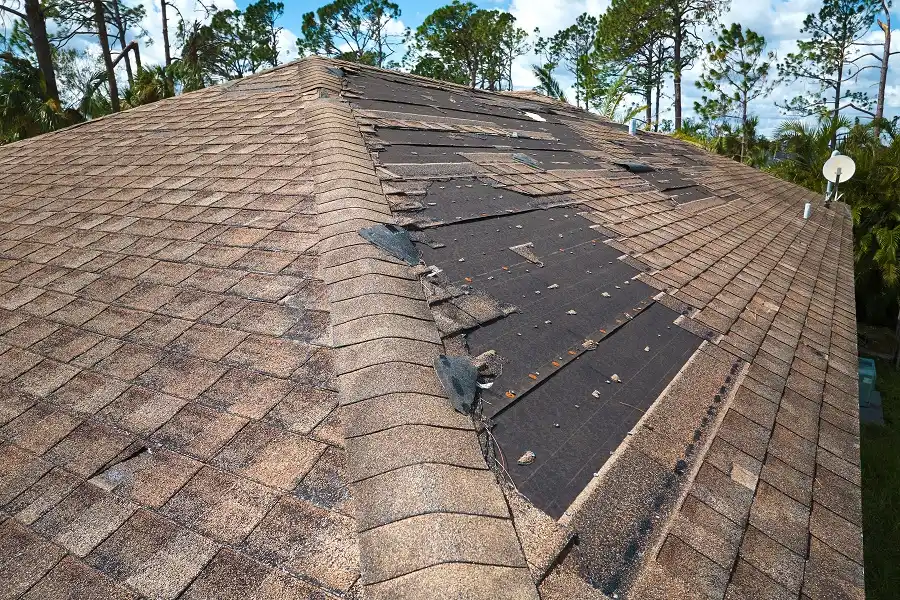
If your roof may have storm damage, acting carefully can protect both your property and your insurance claim.
Document the Damage
Take photos of:
- Missing shingles
- Water leaks
- Broken gutters
- Interior ceiling stains
- Fallen tree limbs or debris
Documentation can help support your insurance claim later.
Contact Your Insurance Company
Notify your insurer of any potential damage and ask about claim deadlines, inspection procedures, and policy requirements.
Schedule an Independent Inspection
Consider contacting a local roofing company with an established reputation instead of signing with the first contractor who knocks on your door.
Pay Contractors Directly, Not Through Insurance Checks
Never sign your insurance check over to a contractor or hand it over for cashing. Pay invoices yourself using a credit card or a check made out from your own account. Signing checks over to a third party transfers your rights of protection and is a common method used in roofing scams.
Keep Copies of Everything
You should save every important document, including:
- Contracts
- Emails
- Inspection reports
- Insurance letters
- Invoices
- Payment receipts
These documents may become important if disputes arise later.
What to Do If a Roofing Contractor Scams You
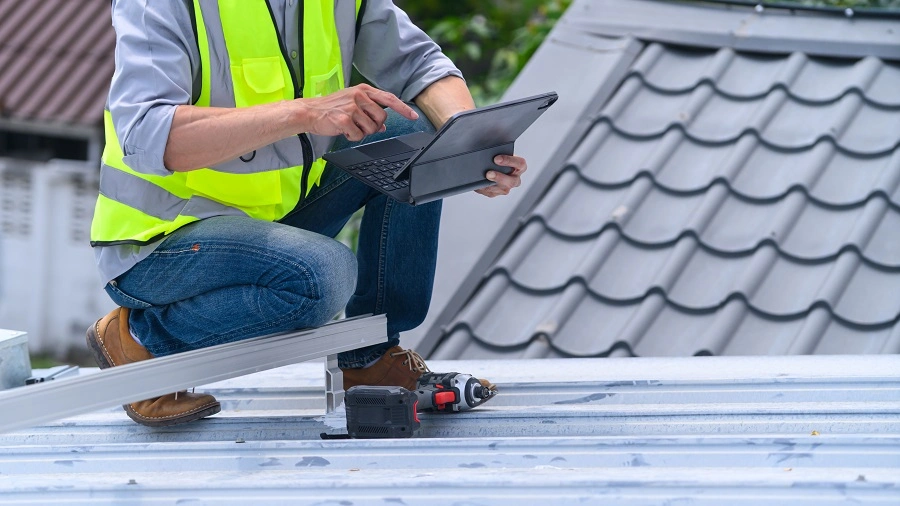
Many homeowners only realize there is a problem after the contractor disappears or the roof begins leaking.
Possible warning signs include:
- Work stopping unexpectedly
- Poor installation quality
- Unreturned calls
- Permit violations
- Warranty refusals
- Insurance payment disputes
You may also need legal guidance if:
- The contractor misrepresented the work
- Insurance proceeds were mishandled
- The roof failed inspection
- Additional property damage occurred
Homeowners can file complaints with the Texas Attorney General Consumer Protection Division and the Federal Trade Commission for suspected scams or deceptive business practices.
How Omar Ochoa Law Firm Helps Texas Homeowners After Roofing Scams
Roofing storm chasers continue targeting Texas neighborhoods after severe weather events, especially when homeowners are under pressure to repair damage quickly.
Omar Ochoa Law Firm represents Texas homeowners across McAllen, Houston, San Antonio and the Rio Grande Valley in exactly these disputes. Contact us today for a free, confidential consultation with our Texas insurance and property damage attorneys.

Omar Ochoa has been nationally recognized as one of the best young trial lawyers in the country. He's represented clients in federal and state courts and arbitrations throughout the United States and internationally. He is highly experienced in a wide range of complex litigation and has handled a variety of cases. He has recovered hundreds of millions of dollars for clients of all types — from individuals to mid-sized business owners to multi-national companies.
Table of Contents
Storm Damage Claims Can Become Complicated Quickly. We Can Help.
Omar Ochoa Law Firm works with Texas homeowners facing contractor disputes, denied insurance claims, delayed payments, and roofing repair conflicts after severe weather.
Contact UsThis is some text inside of a div block.
Contact UsA Rushed Roofing Contract Can Create Expensive Problems Later
Omar Ochoa Law Firm will use our advanced knowledge and skill to help homeowners review insurance and contractor disputes related to storm-damage claims across Texas.